

Maiming While Intoxicated Vs DUI With Injury In Manassas, VA
Maiming While Intoxicated Vs DUI With Injury In Manassas, VA
TL;DR
Maiming While Intoxicated is not just a more serious DUI. In Virginia, it is a separate felony that requires proof of intoxicated driving, serious bodily injury, and driving that was so gross, wanton, and culpable that it showed reckless disregard for human life. By contrast, what people call “DUI with injury” may still begin with the ordinary DUI statute, then rise or fall based on the severity of the injury and the crash facts. If someone died rather than suffered injury, the charge discussion usually shifts to a different homicide statute.
A crash involving alcohol or drugs can create instant confusion, especially when police mention “maiming” instead of just DUI. In Virginia, ordinary DUI is charged under Va. Code § 18.2-266. A first DUI offense is generally a Class 1 misdemeanor, with a mandatory minimum $250 fine, and a first conviction usually carries a one-year license suspension. Maiming while intoxicated under Va. Code § 18.2-51.4 is different. It is a separate felony offense tied to serious bodily injury and far greater exposure.
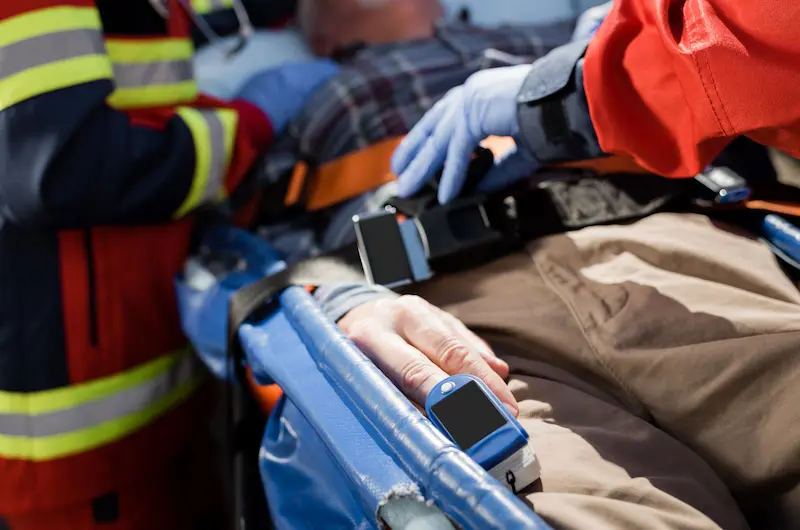
What “Maiming While Intoxicated” Means Under Virginia Law
Virginia’s maiming-while-intoxicated statute applies when a person, as a result of driving while intoxicated in violation of § 18.2-266, unintentionally causes another person’s serious bodily injury in a manner so gross, wanton, and culpable as to show reckless disregard for human life. The baseline version is a Class 6 felony. If the injury results in permanent and significant physical impairment, the charge rises to a Class 4 felony. A Class 6 felony carries one to five years in prison, or up to 12 months in jail and a fine of up to $2,500 at the court’s discretion. A Class 4 felony carries two to 10 years in prison and a fine of up to $100,000. A conviction under § 18.2-51.4 also triggers license revocation under § 46.2-391.
In plain English, “gross, wanton, and culpable” means more than a simple mistake behind the wheel. It points to driving the Commonwealth will argue was not just impaired, but dangerously reckless in a way that showed disregard for human life.
Why A DUI Injury Crash Does Not Always Mean A Maiming Charge
People often search for “DUI with injury,” but Virginia law does not frame every injury crash as one single standalone offense label. As a practical matter, that phrase can describe several charging paths. The case may stay as an ordinary DUI allegation, or it may be charged as maiming while intoxicated if prosecutors believe they can prove serious bodily injury plus the higher level of grossly reckless driving required by § 18.2-51.4. That difference matters because the jump from misdemeanor DUI to felony maiming changes both the court path and the sentencing risk. This is an inference from how Virginia separates ordinary DUI in § 18.2-266 and § 18.2-270 from felony injury charging in § 18.2-51.4.
If your family is trying to figure out whether the facts point to ordinary DUI or felony maiming exposure, that is the point to get a confidential evaluation and charge analysis started, before assumptions harden into strategy mistakes.
What Prosecutors Must Prove For A Virginia Maiming Charge
For a maiming-while-intoxicated conviction, prosecutors generally need to prove four core points: the accused was driving; the driving violated Virginia’s DUI law; the driving was gross, wanton, and culpable enough to show reckless disregard for human life; and the crash unintentionally caused serious bodily injury to another person. If the Commonwealth wants the higher Class 4 version, it must also prove the injury resulted in permanent and significant physical impairment.
That means the defense does not look only at intoxication. It also looks hard at causation, crash mechanics, road conditions, medical proof, and whether the driving really crossed the line from impaired to grossly reckless. In many cases, that is where the real fight is.
How Virginia Classifies Injury After A Drunk Driving Crash
Virginia defines “serious bodily injury” in this statute as bodily injury involving substantial risk of death, extreme physical pain, protracted and obvious disfigurement, or protracted loss or impairment of the function of a body part, organ, or mental faculty. That definition is narrower than “someone got hurt.” It focuses on severity and lasting impact.
So does a broken bone count? Sometimes it can, but not automatically. A fracture that causes extreme physical pain, obvious disfigurement, surgery, or long-term loss of function may fit the statute. A less severe injury may not. The same caution applies to concussions, internal injuries, or nerve damage. The legal question is not just whether there was treatment. It is whether the injury reaches the statute’s serious-bodily-injury threshold, and in the higher felony version, whether there is permanent and significant physical impairment. That is an inference from the statutory definition and charge structure.
If The Crash Involved A Death, The Charge Discussion Changes
If one person died rather than survived with injury, the analysis usually moves away from maiming and into Virginia’s intoxication-related involuntary manslaughter statute, Va. Code § 18.2-36.1. That is why families should be careful not to assume an injury-case article answers a fatal-crash case completely.
Common Evidence In Virginia DUI Injury & Maiming Cases
These cases are usually built from several layers of evidence at once: officer observations, field sobriety evidence, chemical tests, body camera footage, crash-scene measurements, vehicle damage, black-box or data downloads when available, medical records, and witness statements. Because § 18.2-51.4 says the DUI arrest rules apply upon arrest for that offense, the same core intoxication evidence that appears in an ordinary DUI case often matters here too.
That is one reason accident reconstruction can matter so much. Even where intoxication evidence exists, the Commonwealth still has to connect the impaired driving and the manner of driving to the injury itself. If another driver contributed, the road design mattered, or the injury severity is overstated, those facts can change how a felony maiming allegation is evaluated. For related reading, this is where your DUI Defense, Accident Reconstruction, and Restitution & Civil Claims resources fit naturally, along with related case types like Reckless Driving and Murder & Manslaughter when the facts are more severe.
Defense Themes: Causation, Impairment & Reckless Driving
Two defense themes show up repeatedly in these cases. The first is causation: did the accused’s driving actually cause the injury in the legal sense, or did another driver, road condition, speed decision, or medical factor break that link? The second is degree of conduct: even if there is DUI evidence, can the Commonwealth really prove driving so gross, wanton, and culpable that it showed reckless disregard for human life? Those are not minor distinctions. They are the line between a misdemeanor-style DUI framework and a felony injury prosecution.
There can also be separate financial exposure. Criminal restitution issues may arise at sentencing, and civil injury claims can proceed on their own track. Virginia also allows punitive damages in some personal injury or death actions involving intoxicated drivers under § 8.01-44.5.
What The Felony Court Timeline Usually Looks Like In Virginia
A typical path is crash investigation first, then charging, then district court for the preliminary-hearing stage, and then circuit court if the felony moves forward. Virginia’s general district court conducts preliminary hearings in felony cases, while circuit court has authority to try serious criminal cases, including felonies. At a preliminary hearing, the judge considers whether there is enough evidence to keep the felony case moving; it is not a full trial on guilt..
Get A Clear Charge Analysis After A Serious Virginia DUI Crash
If you or your family are trying to understand whether a crash points to ordinary DUI, maiming while intoxicated, or an even more serious charge, The Irving Law Firm can help you sort through the elements, the injury questions, the court path, and the immediate risks. Request A Case Evaluation with our team to build a defense plan around the charging documents, the medical evidence, and the crash facts that matter most.
About the Author: The Irving Law Firm - John J. Irving